Websites & Business
Stop forcing your brand into someone else’s mold
10 mins read
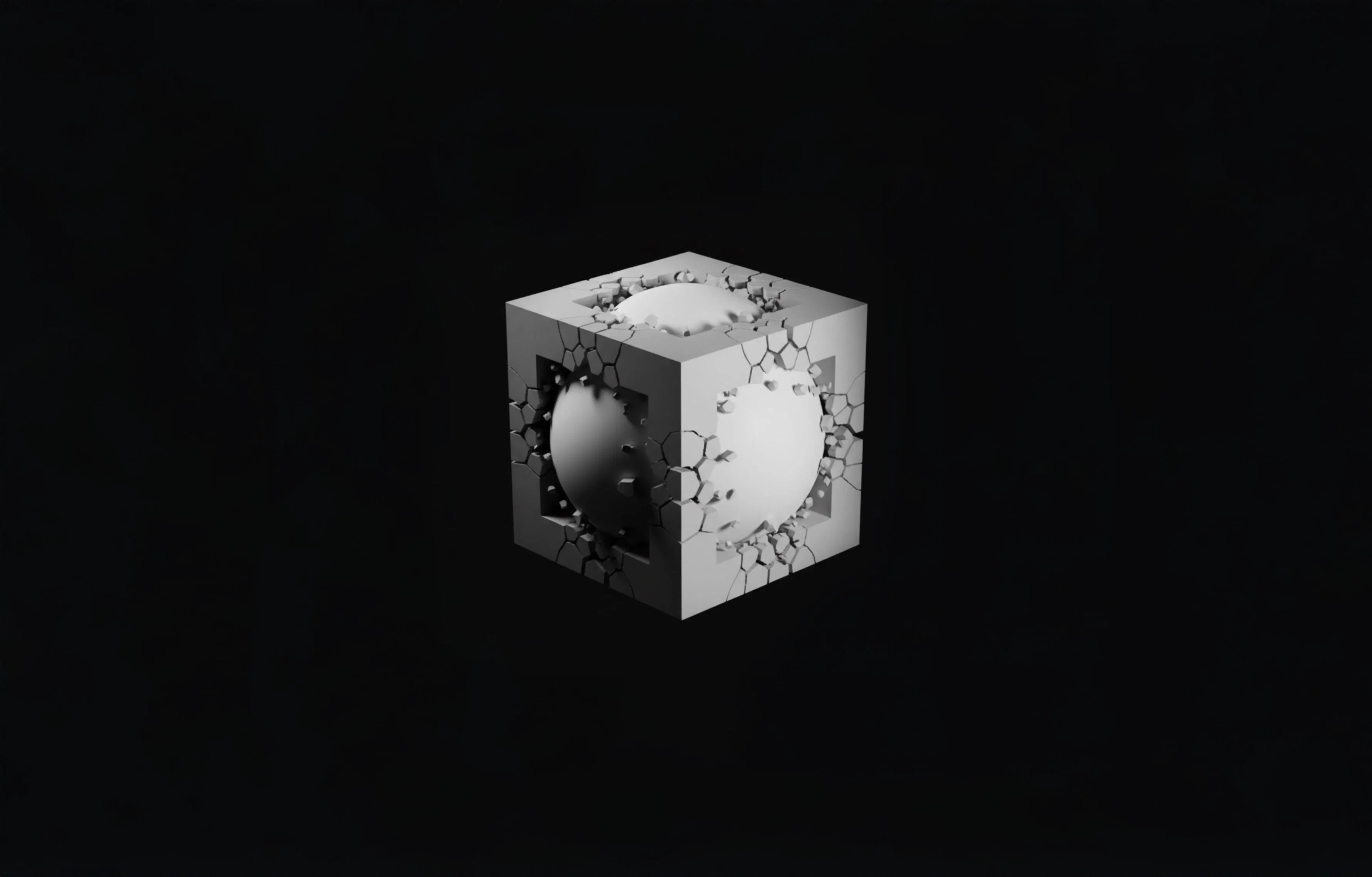
Lola Teissier
Templates force your brand into molds that were never designed for you.
At first glance, they seem like a dream, quick, affordable, and ready to launch. Template based platforms offer an attractive shortcut for small businesses and startups eager to get online fast. But while the upfront savings may be appealing, the long-term picture often tells a different story.
Design is the silent
ambassador of your brand.
1. Limited Flexibility = Limited Growth
Template are built to work for as many businesses as possible, not for you, specifically. Fixed structures, pre-set features and functions, meant to work for thousands of businesses at once.
Templates don't adapt to how you work, you adapt to how they work. As your business grows, you may quickly find yourself boxed in by layout limitations, lack of customization, or functionality that just doesn’t scale, and every compromise costs you opportunities.
Want to add a specific feature? You’ll likely need plugins (which add load to your site), workarounds, or worse—have to rebuild the site altogether.
2. Unforeseen Costs
The template itself may seem budget-friendly at first, but that’s only part of the picture.
As your needs grow and change, you may realize you’re constantly reaching for paid plugins, premium features, or third-party add-ons just to keep things functional. What starts as a low-cost solution can gradually become a patchwork of hidden expenses.
And when your business grows? You may hit a wall—unable to scale or customize further—leaving you with no choice but to invest in an entirely new website. What once felt like a shortcut can quickly turn into an expensive detour.
3. Generic Design, Forgettable Brand
Template sites often look like… well, templates. Just like everyone else online.
It’s difficult to stand out when your site shares the same structure and style as thousands of others. A custom site, on the other hand, is designed around your brand—from layout and user experience to messaging and mood. You'll end up with a site that looks liek everyone else's, built with features that don't support how your business actually works.
If you think good design is expensive, you should look at the cost of bad design.
Real Website found online 
Real Website found online
4. One Size Rarely Fits All
No two businesses are exactly alike, but templates treat them as if they are. They come with preset structures that might not fit how you offer your services, showcase your products, or want users to engage.
With a custom site, the structure is built around your unique goals. Whether you need a custom booking flow, an interactive map, or a storytelling-led homepage, you’re not forcing your vision into a box—you’re building the box to fit.
You've poured your heart into building a brand that's unique, refining every detail, only to be expected to settle for something built for everyone, not for what you've created.
Templates fill space. Custom websites tell stories. That’s the difference between having a presence and leaving a mark.
5. Scalability Becomes a Struggle
The further you grow, the more likely you are to run into roadblocks: limitations on how many products you can list, how your checkout works, how your blog is structured, or how custom your design can get.
A custom site grows with you.
Whether you’re expanding internationally, launching new offers, or integrating complex systems, your website remains a flexible, future-ready tool—not a constraint.
6. Support Isn’t Personal
When something breaks on a template platform, you’re typically funneled into generic support channels. Getting help can be slow, and solutions are often limited to what the platform allows.
With a custom site, you have a team (us) who knows your site inside and out—and can fix or improve things with far more agility and care.
So, Why Does Custom Win Long-Term?
Because it’s built with your future in mind. Because it adapts, grows, and evolves as you do. Because it honors your brand’s uniqueness instead of squeezing it into a template.
Templates fit you in. Custom makes space for what want to become and where you want to go. If you’re building for the long term, custom is the only way.